Flashback to the 2016 MLB Draft
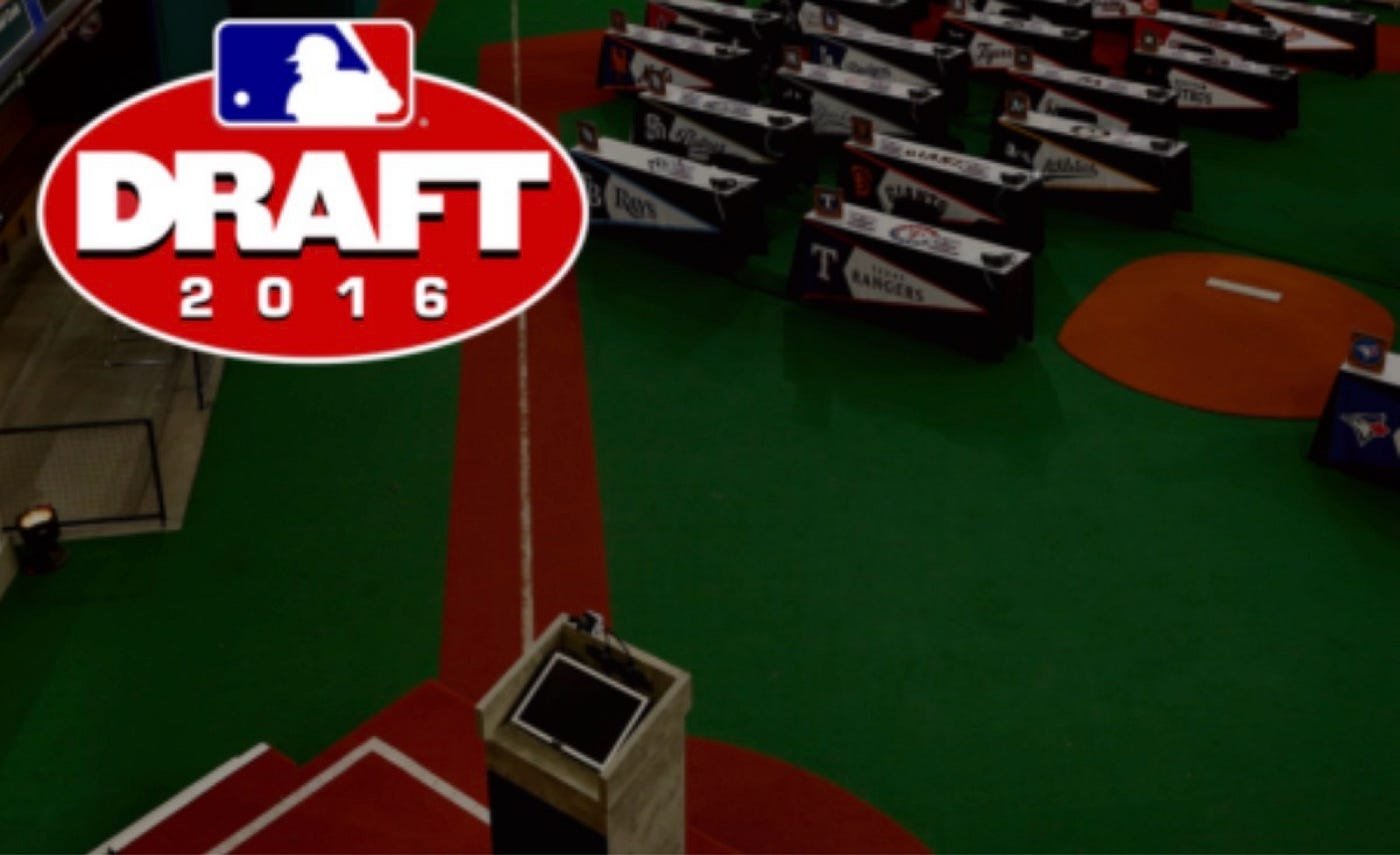

The saying is it’s foolish to pick draft winners and losers at the time of the draft, but rather at least 5 years down the road. The 2016 draft is nearly 10 and the outcomes have played out fairly clear at this point.
The 2016 MLB Draft stands out as one of the deepest classes of the past decade, even with a notably weak top of the first round. It didn’t deliver instant superstars at the highest picks, but its later rounds produced multiple Cy Young winners, All-Stars, and reliable big-league contributors. The class proved that good scouting and smart player development often outweigh consensus rankings.
The Pre-Draft Hype: Uncertainty at the Top
Pre-draft rankings had no clear consensus No. 1 prospect. High school left-hander Jay Groome sat at the top of many boards thanks to his future projection. Right-hander Riley Pint turned heads with his pure velocity. Other names generating buzz then included college outfielders Kyle Lewis (Mercer) and Corey Ray (Louisville), plus infielder Nick Senzel (Tennessee), whose abilities brought a high floor.
The Phillies would pull off a mild surprise taking high school outfielder Mickey Moniak with the first overall pick, betting on signability and tools in a class that felt uncertain at the premium positions. Many evaluators mentioned the lack of elite upside in position players. That was a call that proved remarkably accurate
Standout Performers by Career Production
Through the 2025 season, the class’s real impact has come from mid- and late-round selections. Measured by cumulative value (WAR), All-Star appearances, and awards, those that standout include:
- Corbin Burnes (Brewers, 4th round) Cy Young winner known for elite consistency on the mound.
- • Shane Bieber (Indians/Guardians, 4th round) Former Cy Young winner and longtime ace.
- • Zac Gallen (Cardinals, 3rd round) — Multiple-time All-Star caliber starter has provided durable innings eating ability.
- • Pete Alonso (Mets, 2nd round)Power-hitting first baseman and prolific home run hitter.
- • Bryan Reynolds (Giants, 2nd round) Steady All-Star outfielder with elite on-base skills.
- • Bo Bichette (Blue Jays, 2nd round) — Dynamic shortstop and offensive cornerstone.
- • Tommy Edman (Cardinals, 6th round) Gold Glove-caliber utility player and has been a clutch postseason performer.
Other players include catcher Will Smith (Dodgers, supplemental 1st round), outfielder Nate Lowe (Rays, 13th round), and several others who have turned into everyday players or high-leverage roles. The first round itself delivered limited star power, with All-Star recognition arriving more slowly from supplemental and early second-round talents. That only reinforced the draft’s impressive depth over the headline names.
Notable Value Picks (The Real Steals)
This class rewarded patient scouting. Later-round picks. included Shane Bieber and Corbin Burnes (both 4th round) developing into Cy Young-caliber arms, Tommy Edman (6th round) becoming a versatile standout, and college bats Pete Alonso and Bryan Reynolds (both 2nd round) who slipped due to perceived risks but turned into productive anchor types. Even deeper finds like Nate Lowe (13th round) and various bullpen and bench pieces have delivered meaningful MLB production well below slot value. These successes highlight how strong organizational development can turn undervalued talent into foundational pieces.
Team Bonus Pools vs. Actual Spending (First 10 Rounds)
Teams operated under strict slot-based bonus pools for rounds 1 — 10, with penalties for going over 5%. Here’s the side-by-side comparison (pools based on MLB.com slot values; actual spending from final signing trackers, all figures in millions):
- Reds: Pool $13.92 | Spent $14.68
- • Phillies: Pool $13.41 | Spent $14.99
- • Braves: Pool $13.22 | Spent $15.52
- • Padres: Pool $12.87 | Spent $14.87
- • Rockies: Pool $11.15 | Spent $11.65
- • Athletics: Pool $9.88 | Spent $11.00
- • White Sox: Pool $9.42 | Spent $10.06
- • Brewers: Pool $9.36 | Spent $11.14
- • Dodgers: Pool $9.34 | Spent $11.28
- • Cardinals: Pool $9.14 | Spent $10.49
- • Twins: Pool $8.15 | Spent $8.53
- • Mets: Pool $7.67 | Spent $8.65
- • Rays: Pool $7.64 | Spent $7.77
- • Nationals: Pool $7.64 | Spent $8.72
- • Indians/Guardians: Pool $7.50 | Spent $8.93
- • Mariners: Pool $7.14 | Spent $7.57
- • Pirates: Pool $7.01 | Spent $6.47
- • Red Sox: Pool $7.00 | Spent $7.95
- • Orioles: Pool $6.71 | Spent $8.21
- • Blue Jays: Pool $6.67 | Spent $7.87
- • Marlins: Pool $6.45 | Spent $7.22
- • Angels: Pool $6.12 | Spent $7.32
- • Astros: Pool $5.93 | Spent $6.91
- • Yankees: Pool $5.83 | Spent $7.12
- • Tigers: Pool $5.42 | Spent $6.71
- • Diamondbacks: Pool $5.42 | Spent $6.12
- • Rangers: Pool $5.36 | Spent $6.86
- • Giants: Pool $3.49 | Spent $4.83
- • Royals: Pool $3.23 | Spent $5.05
- • Cubs: Pool $2.25 | Spent $2.96
Most teams exceeded their pools slightly, with the Braves and Phillies among the more aggressive spenders. The Cubs were surprisingly the most conservative.
Team Draft Strategies and Outcomes
- Phillies: Focused on high school upside with slot flexibility; Mickey Moniak was the centerpiece alongside other high school talent. They prioritized tools over immediate college production.
- • Reds: Emphasized high-floor college hitters, led by Nick Senzel. They leaned toward polished position players.
- • Braves: Targeted high school arms for long-term upside (Ian Anderson); aggressive spending let them stack several prep pitchers.
- • Brewers: Balanced depth with value hunting, landing Corbin Burnes late while building a strong group of contributors.
- • Dodgers: Emphasized versatile, toolsy players (Gavin Lux and others); their system reaped multiple future big-leaguers.
- • Cardinals: Mixed college polish with mid-round value (Zac Gallen, Tommy Edman); turned modest picks into impressive organizational depth.
- • Indians/Guardians: Excelled at finding value arms and athletes (Shane Bieber and more); one of the draft’s clearest winners by impact.
- • Blue Jays: Prioritized athletic, position players (Bo Bichette); maximized tools across the board.
- • Mets: Focused on power potential (Pete Alonso); converted college bats into key lineup pieces.
Most organizations stuck to a “best player available” approach while navigating slot constraints. The biggest “misses” were usually stars taken by other teams in later rounds rather than unsigned picks.
Geographical Breakdown of Major League Contributors
Talent came mostly from traditional baseball hot spots. California delivered numerous polished high school products. Florida and Texas supplied speed, power, and pitching depth. The Midwest and Northeast added strong college performers from programs in Tennessee, Kentucky, and beyond. A smaller share came from international sources or less conventional areas — proof that strong scouting networks reach far and wide.
Top Teams by Major League Impact
The 2016 class showed that sustained organizational evaluation and development often outperform early round draft status. In my opinion. teams by volume and quality of contributors (Research based on WAR, Awards, and roles through 2025):
- Cleveland Guardians — Multiple high-impact arms and position players, including Cy Young-level production.
- 2. Los Angeles Dodgers — Strong depth with several everyday and rotation contributors.
- 3. Toronto Blue Jays — Dynamic core pieces from athletic selections.
- 4. St. Louis Cardinals — Efficient conversion of mid-round picks into versatile big-leaguers.
- 5. New York Mets — Power and offensive anchors from targeted college bats.
Just outside that top 5 for me would be the. Brewers, Pirates, and Rays for their standout individual successes.
In summary, the 2016 MLB Draft showed. baseball’s unpredictability and the quiet rewards of thorough scouting. While it lacked immediate flash at the top, its depth has delivered lasting value across many organizations. A decade later, it remains a sharp reminder that talent can surface from any round.
#Baseball #MLB #Majorleaguebaseball #Minorleaguebaseball #MLBDraft #Sports