Is Baseball doing enough?
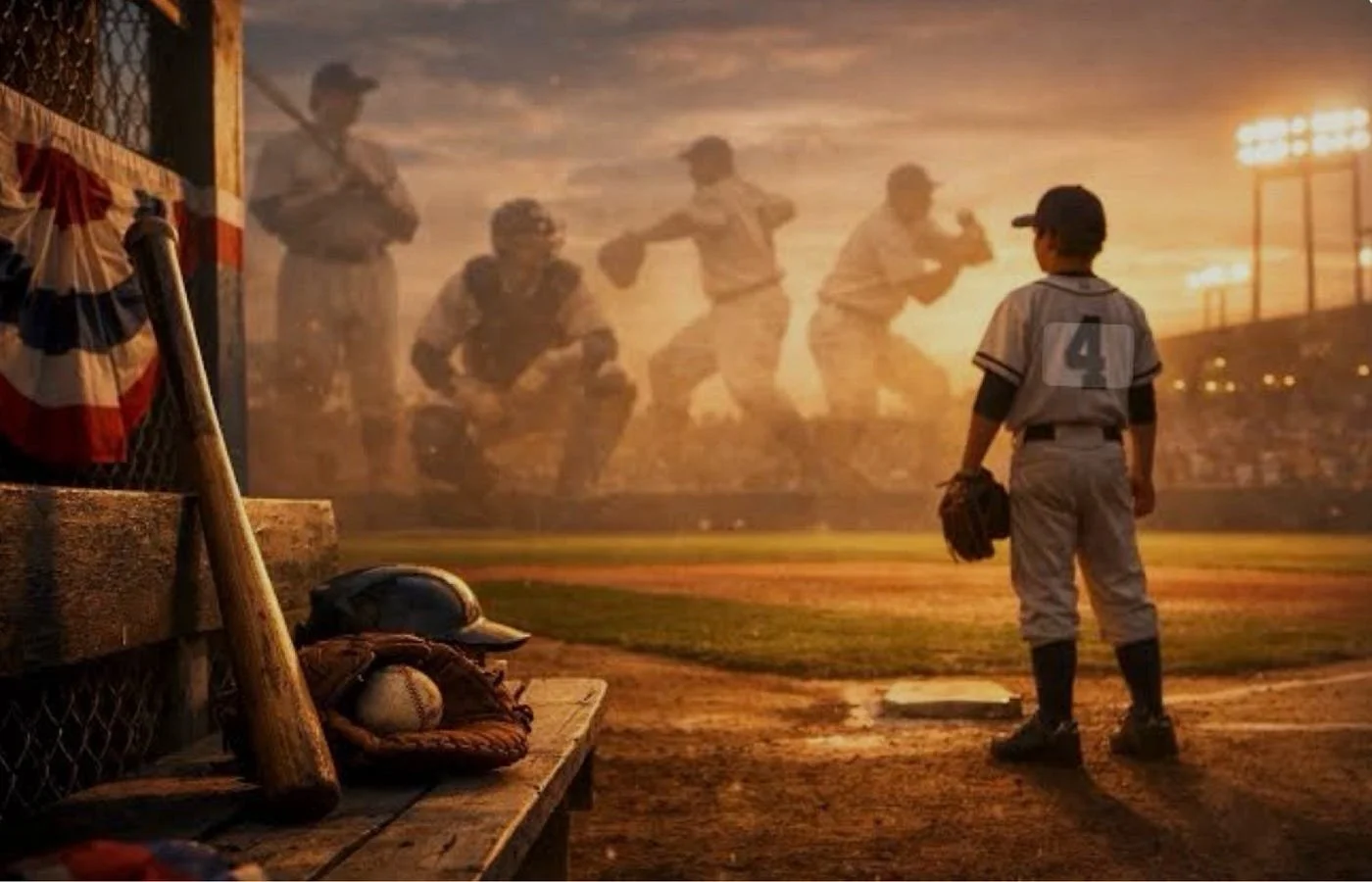

Over the years, many of my friends have come to me seeking my thoughts and perspective on why Black American participation in baseball has been steadily declining over the past three decades.
I see it as a socioeconomic problem rather than a lack of interest or biases. In fact, 30% of players selected in the 2024 draft were Black American, the largest number in many years. But, back to the original question. There are several contributing factors that have made the game for lower income players of all races more inaccessible than at any previous time, the most persistent ones have been limited access to the game, a lack of proper coaching, insufficient competition, and Major League Baseball’s draft rules. Let me explain and offer some suggestions as to how we make the game more inclusive.
Baseball has long been called America’s pastime. It’s a game that thrives on talent and opportunity. Yet the pathways to professional success currently, tell a story of persistent imbalance. While the system demands substantial financial investment from young players in the United States and Canada, it offers structured, far lower-cost development pipelines across much of Latin America. A truly meritocratic sport would ensure that success depends on ability, not zip code or family income.
Draft Rules and Structural Differences
In the United States, Canada, Puerto Rico, and the U.S. Virgin Islands, amateur players enter Major League Baseball almost exclusively through the Rule 4 Draft (the First-Year Player Draft). Eligibility hinges on residency or attendance at a qualifying high school or college. High school graduates who skip college, junior college players after one year, and four-year college players after their junior year (or upon turning 21) become draft-eligible. Teams select prospects in a slotted system that links signing bonuses to draft positions. It works to provide order and cost control, but locking entry into a rigid, multi-year timeline of competitive play.

In contrast, players from Latin America primarily the Dominican Republic and Venezuela can sign as international free agents as early as age 16 or 17, bypassing the draft entirely. We are seeing some young men come to unsigned agreements as young as 12 years old. MLB teams maintain baseball academies in these countries, investing in facilities, trainers, and infrastructure to identify and nurture raw talent at a young age. This model creates a clear structural advantage: significantly lower signing bonuses, earlier entry into professional systems, and far less reliance on costly amateur competition. Families bear minimal upfront expense while teams effectively “hoard” promising prospects and provide intensive, year-round development.
Young players in the U.S. and Canada face a much steeper climb. Talent evaluation heavily rewards participation in expensive showcase circuits and elite travel teams. Opportunities that often require resources well beyond the reach of many families.
The Burden on American Families

Travel baseball has become the dominant pathway for serious development in North America. Annual costs typically range from $2,000 to $6,500 for team fees, tournaments, and coaching. For elite programs, the total can easily exceed $10,000 per year once equipment (bats alone can cost $300 — $500), travel, lodging, and private lessons are factored in.
Families must sustain these expenses across multiple seasons to accumulate the statistics, video highlights, and scout exposure needed for college scholarships or the MLB Draft. Lower-income players whether Black, White, Hispanic, urban, or rural often find these doors closed. Public fields and recreational leagues offer the basics, but rarely the specialized coaching, velocity training, or showcase access that signals elite potential to scouts.

This economic filter narrows the talent pool. A gifted athlete from without means may dominate local competition yet never gain the “reps” or metrics that draft boards prioritize, while better-resourced peers monopolize the visibility.
Toward a Level Playing Field
Equalizing access calls for targeted investment, not mandates that ignore economic realities. MLB and its clubs could expand community-based development programs in underserved American and Canadian areas. Free or low-cost academies modeled on the strengths of the Latin American system but adapted to local needs: year-round indoor facilities in colder climates, certified coaching, equipment subsidies, and showcase opportunities that don’t require prohibitive travel.
Partnerships with public schools, Boys & Girls Clubs, and nonprofits could identify talent early and create pathways that aren’t dictated by family wealth.
Successful implementation would require:
- Public-private funding: MLB revenue sharing or league-wide foundations to underwrite programs, with priority given to high-poverty urban and rural communities.
- • Logistical support: Centralized scouting combines, regional training hubs, and transportation assistance to ease the burden on families.
- • Rule adjustments: Gradual synchronization of entry systems perhaps through an international draft with appropriate protections, or enhanced domestic developmental slots, to balance incentives without disrupting successful international pipelines .
- • Measurement and accountability: Tracking participation by socioeconomic background and geography, with incentives for teams that invest meaningfully in grassroots development.
This approach would preserve the academy model’s proven strengths in talent rich regions while creating a similar infrastructure at home. It recognizes that baseball’s long-term stability depends on broadening its base, not restricting it to those who can afford the current system.
A level playing field does not guarantee equal outcomes talent and dedication must still decide. But it ensures the game remains a genuine meritocracy rather than an economic separator. By investing strategically in American and Canadian youth drawing inspiration from the self-reliant spirit of the Negro Leagues and the structured opportunity of Latin American academies baseball can reclaim its place as an inclusive national game with diverse rosters, fan bases, and community involvement.
I believe these ideas would honor the sport’s history while securing its potential promise for generations to come.
#MLB
#Baseball
#Majorleaguebaseball
#MLBDraft
#Sports