Hokkaido
The Frontier of Japan

Hokkaido, Japan: My Unexpected trip to Japan’s Northernmost prefecture
Because of baseball, I’ve been lucky enough to visit places I never imagined and that most people probably wouldn’t think to visit. One of my favorites is Hokkaido, Japan’s northernmost island. In October 2016, right after the ALCS, I flew there to scout potential free agents. Seiya Suzuki and the phenom Shohei Ohtani among others. The trip took me across several regions, but Hokkaido stood out as truly special.
A World Apart
Hokkaido feels completely different from crowded Island Prefecture Honshu (Tokyo, Kyoto, Yokohama, Hiroshima). It’s Japan’s second-largest island and has a wild, frontier feel. Wilderness, dramatic seasons, stunning landscapes, world class. snow, incredible seafood, and. dairy. Culturally, it blends the heritage of the indigenous Ainu people with later settlers. If you compared it to America, it’s like the Western Rocky states mixed with the Pacific Northwest. It’s rugged, spacious with open plains and mountains, but also beautiful sea coast
Getting There
It’s easy to reach. From Tokyo, a direct flight to New Chitose Airport (CTS) near Sapporo takes about 90 minutes. Plenty of flights leave from Haneda or Narita, and you can also fly in from cities like Seoul or Shanghai.
The train is slower but scenic: the Hokkaido Shinkansen gets you from Tokyo to Shin-Hakodate-Hokuto in around 4 hours, then on to Sapporo for a total of 7 – 8 hours.
A Rich History
Hokkaido was once called Ezo and once was the homeland of the Ainu, an indigenous people with their own language, traditions, and spiritual beliefs centered on kamuy (spirits in nature). Japanese influence grew over time, especially through the Matsumae clan, but complete development came after the Meiji Restoration in 1868 – 1869.

The new government renamed it Hokkaido (“Northern Sea Route”) and encouraged settlement to secure the border with Russia and create opportunities for displaced samurai. Many former samurai became tondenhei farmer-soldiers who built towns, farmed the land, and defended the island. Their rugged strong spirit still shapes the region today. Our version of Cowboys.

Meiji leaders even looked to America for ideas. They brought in advisors like William Smith Clark from Massachusetts Agricultural College. His famous line “Boys, be ambitious!” is still an icon at Hokkaido University. American knowledge helped shape farming, education, and infrastructure.

What Makes Hokkaido Special?
The island has a cooler, subarctic climate: comfortable summers that don’t have. the humidity of the South and very snowy winters. It grows much of Japan’s wheat, potatoes, and dairy, and its seafood is world-class. You’ll find creamy soft serve ice cream, sweet melons and corn, Jingisukan (lamb barbecue), and incredibly fresh sushi. Sapporo Beer started here, and the Sapporo Snow Festival fills the city with giant ice sculptures every year.
The Ainu legacy lives on in place names, cultural sites like Upopoy National Ainu Museum and Park, and sustained efforts to preserve their language and traditions. National parks like Shiretoko (a UNESCO site) are home to brown bears, deer, and eagles. Volcanoes and relaxing hot springs (onsen) are everywhere.
Getting Around
Hokkaido is one of the easier places in Japan for international visitors. Major spots like Sapporo, the airport, and other tourist areas have English signs and announcements. Google Translate works great for menus. Public transportation is clean and efficient. The local citizens are generally friendly and helpful.
Things to Do
- Winter: It has World-class skiing and snowboarding at Niseko, Furano, or Rusutsu.
- • Summer & Fall: Hiking in national parks, lavender fields in Furano, and wildlife viewing in Shiretoko.
- • Sapporo: The Snow Festival, Clock Tower, Odori Park, and beer gardens.
- • Hakodate: a star shaped fort, stunning night views from Mount Hakodate, and the morning market.
- • Others include relaxing onsen ryokans, farm stays, and Ainu cultural experiences.

Baseball
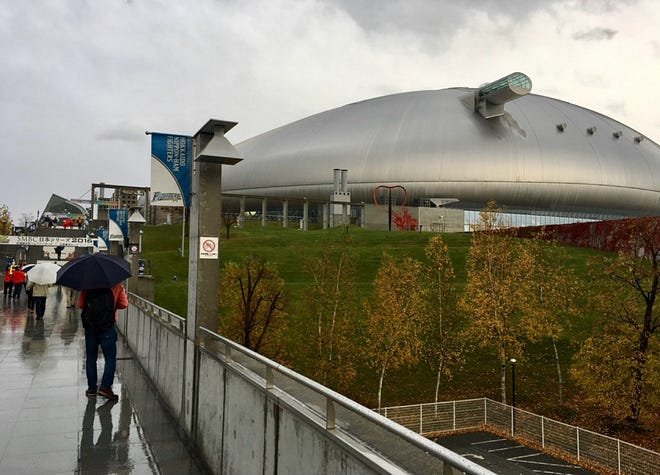
Baseball fans will love it here. The Hokkaido Nippon-Ham Fighters play at the modern ES CON Field Hokkaido near Sapporo. The team has developed stars like Ohtani and Yu Darvish before they headed to MLB. Catching a game there is a fun way to feel their local pride.
Where to Stay & Eat
For convenience in Sapporo, I stayed at the JR Tower Hotel Nikko Sapporo. It sits right atop the station with great views. For luxury in the mountains, try Higashiyama Niseko Village (a Ritz-Carlton Reserve) with beautiful onsen and alpine scenery.

Food is a highlight. For the best Wagyu , Steakhouse Katsura (in Sapporo Prince Hotel) is excellent. For sushi, Sushisai Wakichi or Sushi Miyakawa deliver unforgettable omakase with the freshest local seafood.
Hokkaido offers travelers room to breathe, amazing new food, and stories of resilience from ancient Ainu roots and samurai settlers to today’s innovators. Whether you come to ski, or are drawn to the wildlife, want enjoy the hot springs, or the food, this Northern Territory offers a side of Japan you won’t find anywhere else.
At the end of my trip I recounted the many great unforgettable experiences. Hokkaido was the highlight. I ended up recommending Seiya Suzuki as a solid everyday RF who would hit somewhere in the middle of the order. Shohei Ohtani I rated as the best player with the highest ceiling I had ever seen. In fact, close to being the perfect baseball player because of his abilities as both a pitcher and hitter. So, I would say the trip was more than worth it.
Once again, the biggest takeaway for me is how fortunate I was to go. I’ve learned that you grow stronger by stepping into uncomfortable situations because that’s where you’re forced to learn quickly. So test yourself as much as you can.
